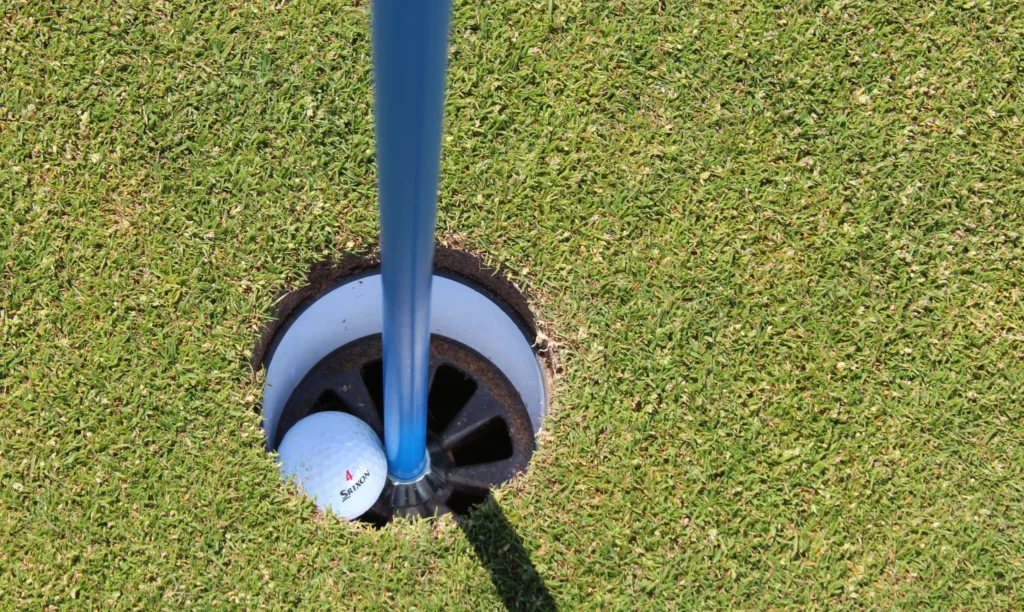
Every golfer has pictured it. That clean strike, perfect curved flight, the ball landing just short of the flag and rolling ever so slowly towards the hole… before quietly vanishing.
For a moment, nobody says anything.
Then you look around to your group and say, “Did that go in?”
So how rare is a hole-in-one, really?
The short answer: rare enough that you should never expect one if you’re a casual golfer.
The longer answer is far more interesting.
What Are the Actual Odds of a Hole-in-One?
If you search “hole-in-one odds,” you’ll see a familiar number pop up:
12,500 to 1.
That’s the average chance for a typical amateur golfer. That’s why it makes it so much sweeter and impressive when the local weekend warriors achieve golf’s holy grail.
For lower handicappers, the odds improve to roughly 5,000 to 1. Still unlikely, but you’re in with a shot.
For tour professionals? Around 2,500 to 1, which means even for the elite players, it’s still a challenging feat to achieve. You know it must be tough going when even the best in the world can’t make them drop in regularly.
In other words, if you’ve played for 20 years and never had an ace, you’re not unlucky. You’re statistically normal, but that doesn’t stop us regular golfers from putting unrealistic expectations on ourselves to achieve the ultimate and brag about it to our friends.
Why It’s So Difficult
A hole-in-one demands more precision and luck than most other sporting feats.
You need:
- The right club
- The right distance
- The right trajectory
- The right spin
- The right bounce
- And a friendly roll
A big dose of lady luck doesn’t go astray either. If any of the above are slightly off, you won’t be celebrating golf’s most epic moment. Golf is a game of inches and an ace is a game of millimetres.
Does Skill Really Matter?
Yes, but only up to a point.
Better players certainly give themselves more opportunities by hitting more greens, controlling ball flight and managing spin more closely. That only gets them so far though. Once the ball lands, that’s when chance enters the equation.
Green firmness. Subtle slopes. A front lip you didn’t notice from the tee. These and many more variables can pose as obstacles preventing hole-in-ones from occurring. You don’t luck your way into a hole-in-one, but you might need a little luck to finish it.
And Then There’s the Double
Now consider something even rarer.
Two golfers.
Same hole.
Same group.
Both balls in the cup.
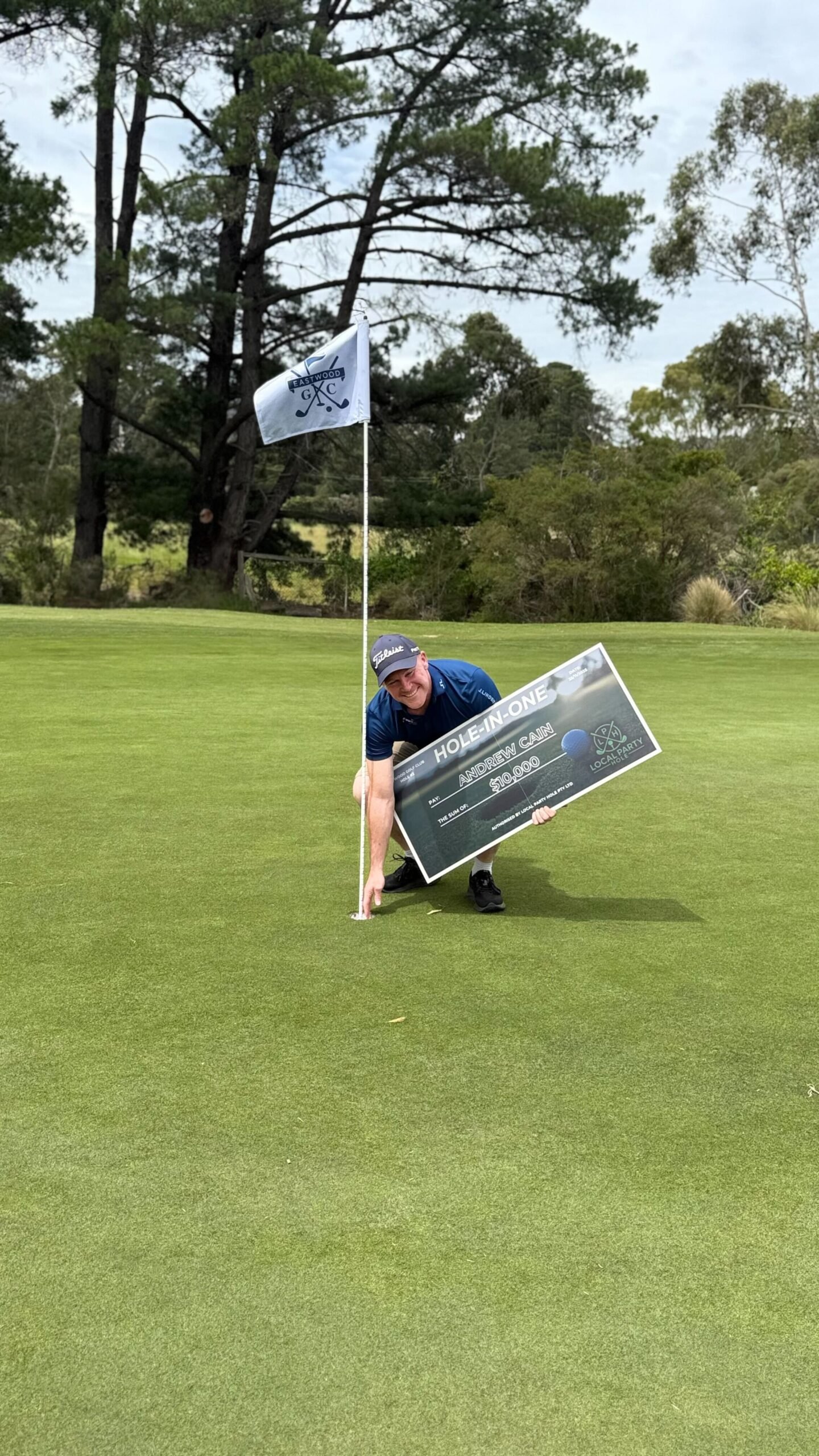
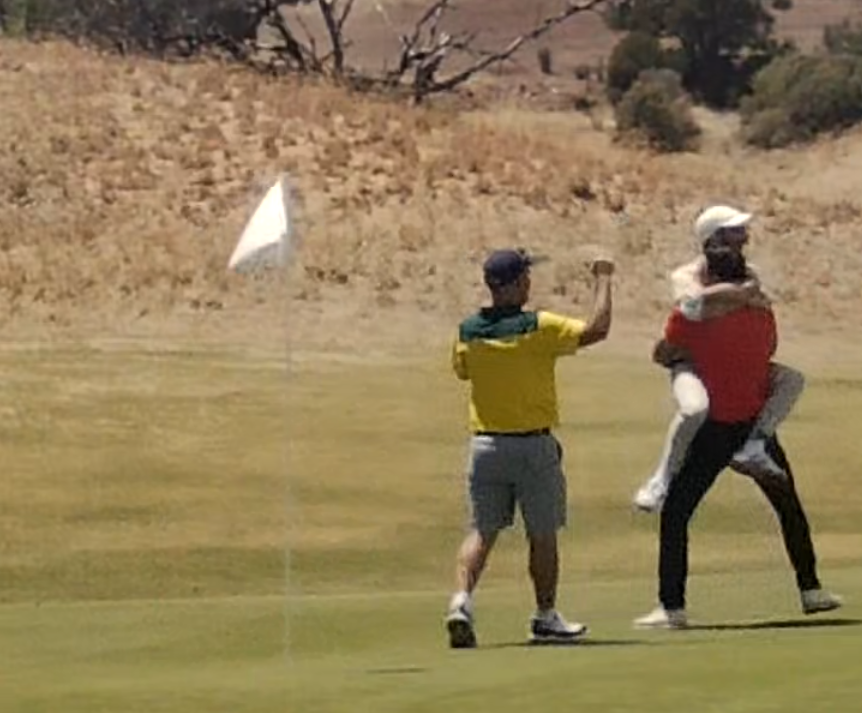
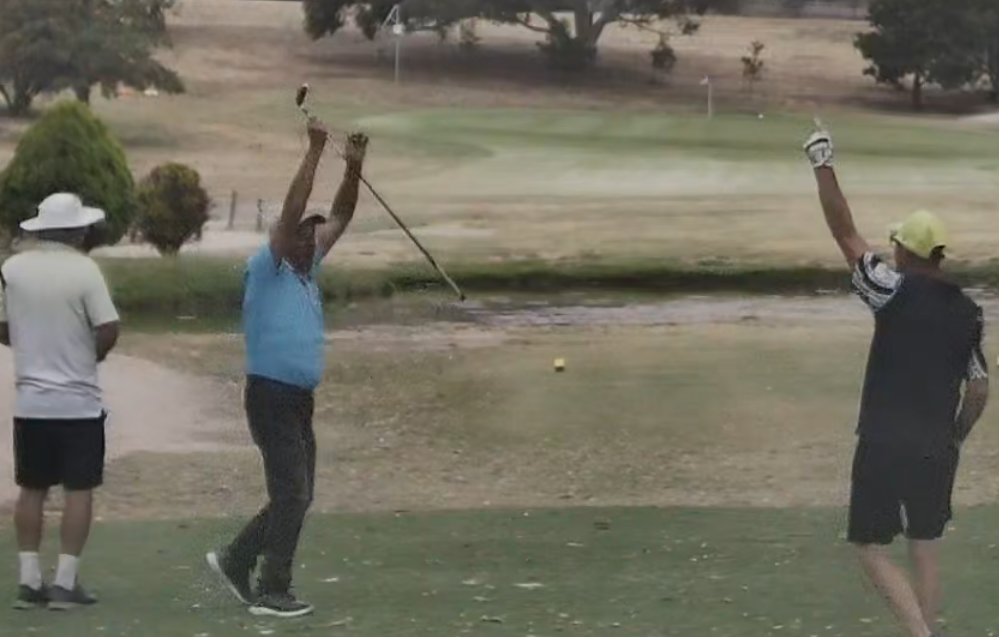
It sounds like fiction. We couldn’t fathom it ourselves until it happened at the Local Party Hole at Eastwood Golf Club.
Click here to view the extremely rare feat: https://www.instagram.com/p/DUXPi_QEzfR/
If one ace feels improbable, two feels almost mythical, but that’s the beauty about golf, anything is possible and that’s what keeps us coming back on course.
Why Some Par 3 Holes Produce Fewer Aces
Not all par 3s are equal.
Some are generous and wide open. Others demand a steely determination to be aggressive and attack the green via tight entrances, with bunkers protecting the safe miss. If it’s not that, it’ll be a front rise that hides the bottom of the cup or wind that moves the ball just enough to make you doubt whether you should have clubbed up or down.
A hole-in-one is rare.
A hole-in-one on a hole that is recorded and offering a $10k prize?
Almost unprecedented, but that’s where Local Party Hole enters to elevate the golfing experience! If you’re ready to see whether you can beat the odds, find out more about where you can find the Local Party Hole experience at: https://localpartyhole.com/partner-courses/